The Best Mosquito-Repellent Plants You Should Grow in Your Garden
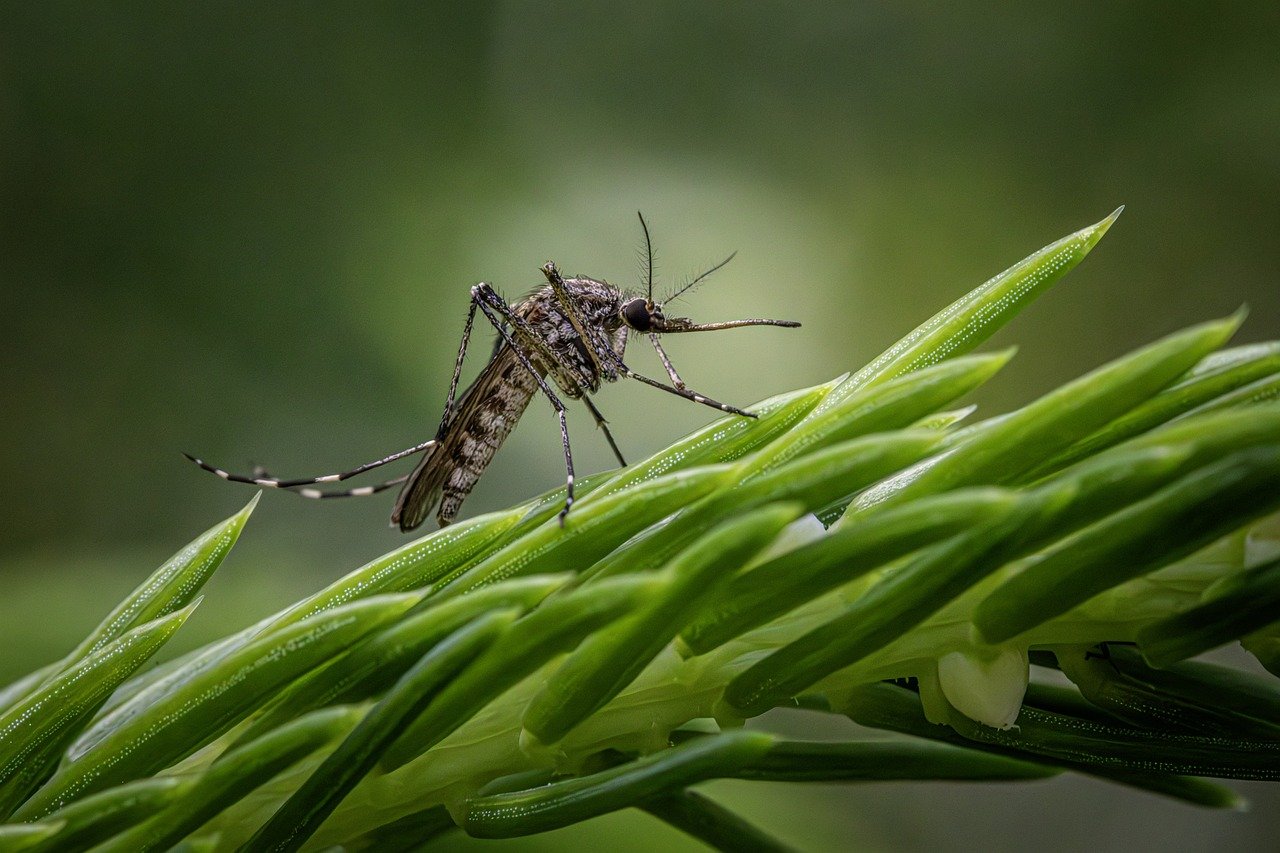
Mosquitoes are not just annoying; they can also spread diseases like malaria, dengue, and Zika virus. While there are many ways to repel them, one of the most natural and sustainable methods is growing mosquito-repellent plants. These plants release oils or scents that mosquitoes find unpleasant, keeping them at bay and making your outdoor spaces more enjoyable.
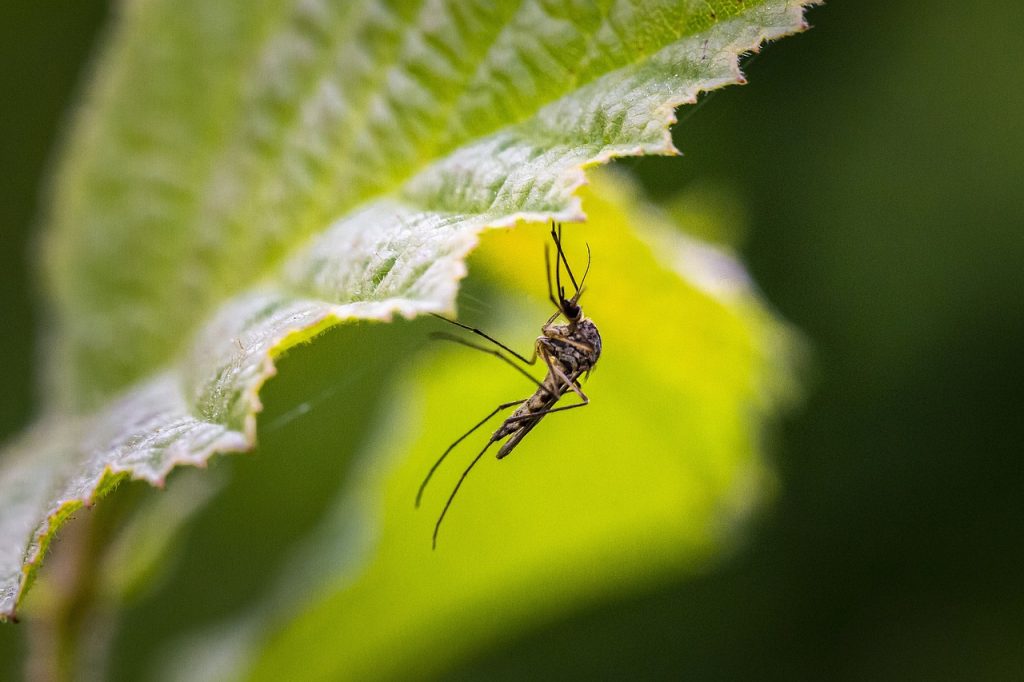
Let’s take a closer look at some of the most effective mosquito-repellent plants that you can grow in your garden.
1. Lemongrass (Cymbopogon citratus)
Lemongrass is well-known for its strong citrus fragrance, which mosquitoes strongly dislike. This plant is a natural source of citronella, an ingredient commonly used in mosquito repellents. Citronella masks the scents that attract mosquitoes, making it a highly effective deterrent.
Growing Tips: Lemongrass thrives in full sun and warm temperatures. It requires well-drained soil and can be grown in pots, making it perfect for patios or balconies.
Bonus: You can harvest lemongrass for use in cooking or for making tea.
2. Basil (Ocimum basilicum)
Basil, especially varieties like lemon basil or cinnamon basil, is effective at repelling mosquitoes. The plant emits a strong, aromatic scent that mosquitoes find repulsive. Basil is easy to grow in pots or garden beds, and it can even thrive indoors on a sunny windowsill.
Growing Tips: Basil prefers full sun and well-drained soil. Keep the plant well-watered but not soggy, and regularly pinch off flowers to encourage more leaf growth.
Bonus: Fresh basil leaves can be used in cooking for added flavor in various dishes.
3. Geraniums (Pelargonium spp.)
The citronella geranium (also known as the mosquito plant) is a popular choice for repelling mosquitoes. Its strong, lemony scent is similar to citronella, which is why it’s so effective. Geraniums also add a burst of color to your garden with their vibrant flowers.
Growing Tips: Geraniums thrive in full sun and need well-drained soil. They also grow well in containers, which makes them ideal for patios, balconies, or doorways.
Bonus: Geraniums are also resistant to other garden pests, making them a great addition to your garden.
4. Bee Balm (Monarda didyma)
Bee Balm, also called Oswego tea, is a fragrant herb that attracts pollinators like bees and butterflies while deterring mosquitoes. It has a strong, minty fragrance that mosquitoes dislike. The plant’s vibrant flowers also add beauty to your garden.
Growing Tips: Bee Balm prefers full sun but can tolerate partial shade. It thrives in moist, well-drained soil and benefits from regular watering.
Bonus: Bee Balm’s leaves can be used to make tea or as a culinary herb.
5. Petunias (Petunia spp.)
Petunias are more than just pretty flowers; they can help keep mosquitoes away, too. Petunias contain natural insect-repelling compounds that mosquitoes find unpleasant. They are available in many colors, making them perfect for adding color to any garden while providing mosquito protection.
Growing Tips: Petunias prefer full sun and well-drained soil. They should be watered regularly but allowed to dry out slightly between waterings to avoid root rot.
Bonus: Petunias are low-maintenance and can easily be grown in hanging baskets or containers.
6. Marigolds (Tagetes spp.)
Marigolds are another excellent mosquito-repellent plant. Their strong scent is unpleasant to mosquitoes, and their pyrethrum content makes them effective at repelling a variety of pests. Marigolds also produce vibrant yellow, orange, or red flowers that brighten up any garden.
Growing Tips: Marigolds thrive in full sun and well-drained soil. They are also drought-tolerant, so you don’t have to worry too much about overwatering.
Bonus: Marigolds are often planted alongside vegetables in gardens because they help repel other pests like aphids and nematodes.
7. Tansy (Tanacetum vulgare)
Tansy is a perennial plant known for its strong, pungent odor, which repels mosquitoes and other insects. The plant produces small yellow flowers and grows quite tall, making it a good choice for natural borders or as a background plant in your garden.
Growing Tips: Tansy thrives in full sun and well-drained soil. It can be invasive, so consider planting it in a contained area or in a pot to prevent it from spreading too much.
Bonus: Tansy has been used historically for medicinal purposes, but its strong scent also makes it a great insect repellent.
8. Peppermint (Mentha × piperita)
Peppermint’s strong, minty scent is not only refreshing for humans but also repellent to mosquitoes. Growing peppermint in your garden can help keep mosquitoes and other pests at bay. It’s also easy to grow and can be used in cooking or for making fresh tea.
Growing Tips: Peppermint prefers partial sun to full sun and needs moist, well-drained soil. Since it spreads rapidly, it’s best grown in a pot or container to prevent it from overtaking your garden.
Bonus: The leaves can be used in a variety of culinary dishes or to make soothing peppermint tea.
9. Oregano (Origanum vulgare)
Oregano’s strong, pungent scent helps to keep mosquitoes away. This herb is not only useful for keeping insects at bay but also adds a flavorful punch to your meals. Oregano is easy to grow, drought-tolerant, and requires minimal care.
Growing Tips: Oregano thrives in full sun and well-drained soil. It doesn’t need much water, so avoid overwatering, which can lead to root rot.
Bonus: Oregano can be used fresh or dried in cooking to enhance the flavor of Mediterranean dishes.
Final Words
Using natural plants to repel mosquitoes is an environmentally friendly and effective way to protect yourself and your garden from these irritating insects. By growing plants like lemongrass, basil, marigolds, and peppermint, you can enjoy a mosquito-free outdoor space without relying on chemical repellents. These plants not only offer a natural barrier against mosquitoes but also provide you with fresh herbs and beautiful flowers for your garden.