Orchard Garden Design Ideas: Creating a Beautiful and Productive Space
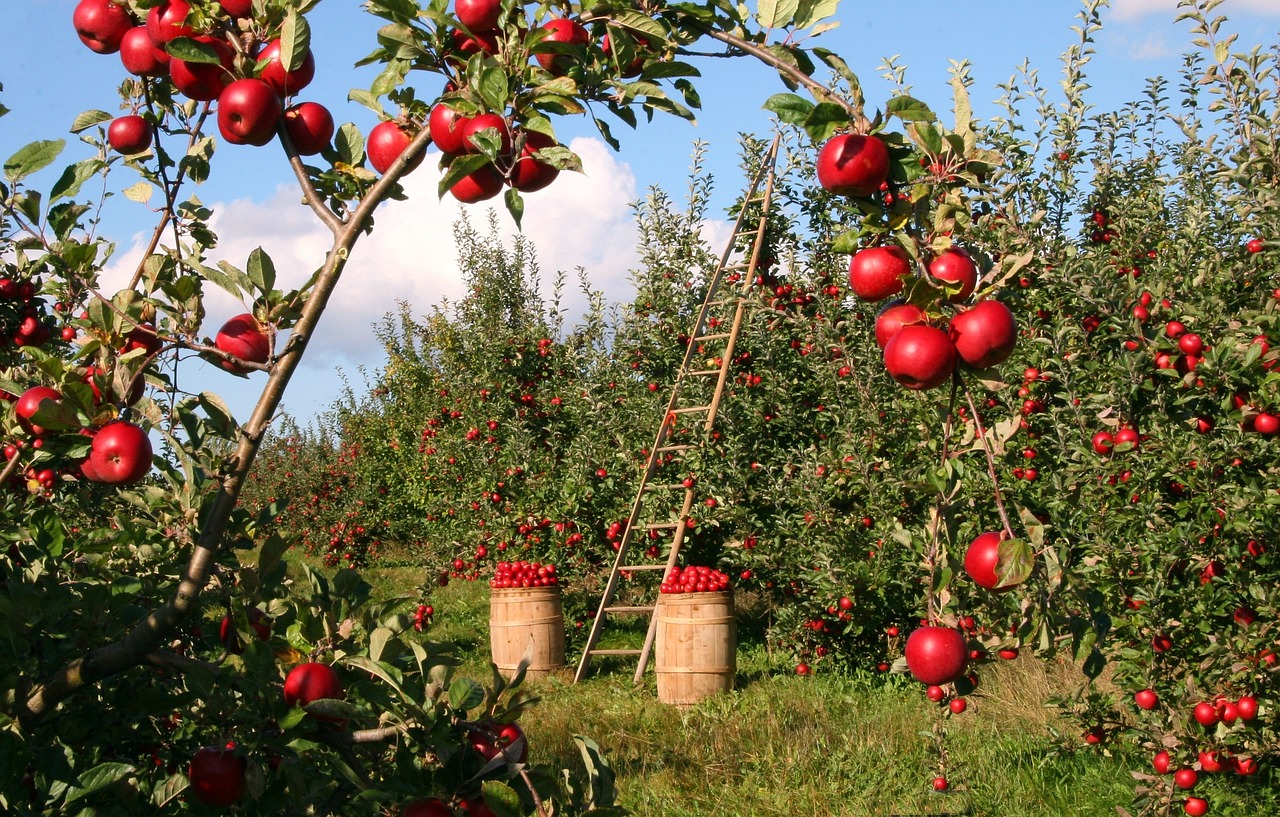
An orchard garden is a perfect blend of beauty and productivity, offering an inviting landscape while providing fresh fruits throughout the seasons. Whether you have a large backyard or a small space, designing an orchard garden requires thoughtful planning to ensure optimal growth, aesthetic appeal, and sustainability. Below are some creative and practical orchard garden design ideas to help you make the most of your outdoor space.
1. Choosing the Right Fruit Trees
Selecting the right fruit trees is crucial for a successful orchard garden. Consider factors like climate, soil type, space availability, and maintenance requirements. Here are some excellent fruit tree options:
- Apple Trees – Suitable for various climates with many different varieties to choose from, such as Fuji, Granny Smith, and Honeycrisp.
- Citrus Trees – Perfect for warmer regions; options include oranges, lemons, limes, and tangerines. Consider dwarf citrus trees for small gardens.
- Cherry Trees – Not only do they produce delicious fruit, but they also provide stunning spring blossoms.
- Peach and Plum Trees – Best for temperate zones and require well-drained soil.
- Dwarf and Espalier Trees – Ideal for small gardens, balconies, or areas where space is limited. Espalier trees can be trained to grow against walls or fences.
Soil Preparation and Planting Tips
Before planting, test the soil’s pH level to ensure it matches the tree’s requirements. Most fruit trees thrive in soil with a pH between 6.0 and 7.0. Add organic compost, mulch, and slow-release fertilizers to improve soil quality. Ensure adequate spacing to allow air circulation and sunlight exposure for each tree.
2. Strategic Orchard Layout
A well-planned layout enhances productivity, accessibility, and aesthetics. Some popular orchard designs include:
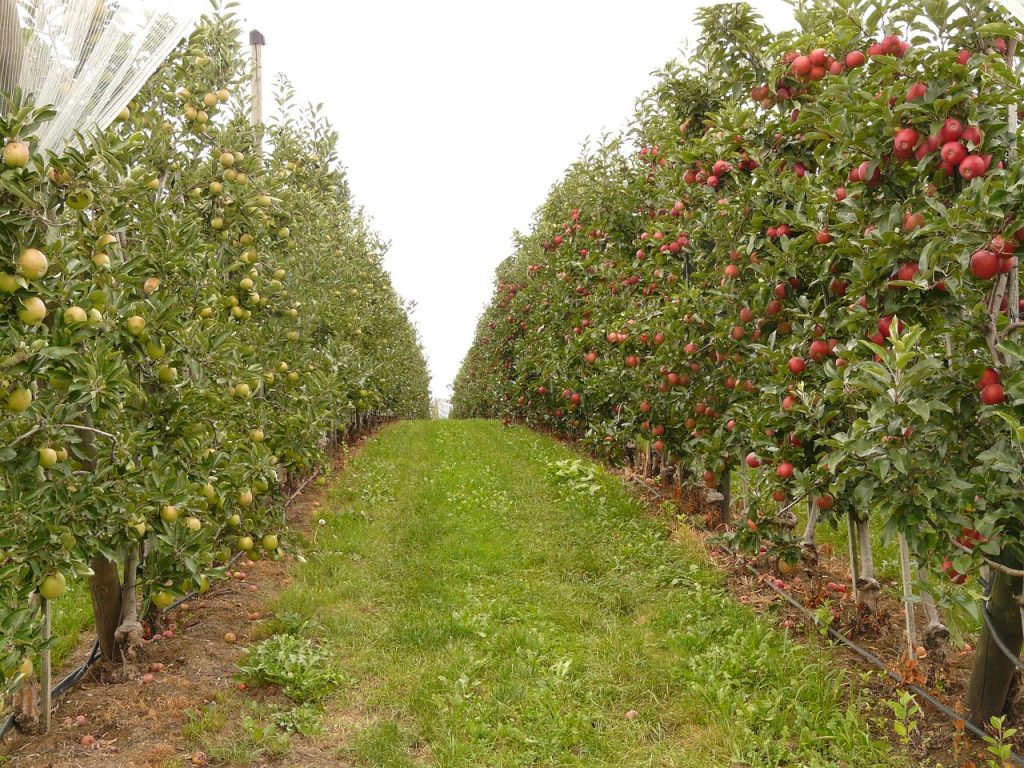
- Row Planting: A traditional and organized method suitable for larger spaces, ensuring easy access for harvesting and maintenance.
- Circular Orchard: A visually appealing layout that allows even sunlight distribution and easy accessibility from all sides.
- Guild Planting: This method involves surrounding fruit trees with companion plants that improve soil health and deter pests.
- Forest Garden Approach: Mimics natural ecosystems with layers of trees, shrubs, and ground cover to promote biodiversity.
Spacing and Arrangement
Proper tree spacing is essential to avoid overcrowding and encourage growth. Standard trees should be spaced 12-25 feet apart, while dwarf varieties require about 6-10 feet. Consider adding paths between rows for easy navigation and maintenance.
3. Companion Planting for a Thriving Orchard
Companion planting enhances pollination, deters pests, and improves soil fertility. Some excellent companion plants include:
- Lavender and Marigolds – Repel pests while attracting pollinators like bees and butterflies.
- Clover and Comfrey – Improve soil health by fixing nitrogen and adding organic matter.
- Herbs like Basil, Rosemary, and Chives – Naturally repel insects and enhance the flavor of nearby fruits.
- Strawberries and Blueberries – Provide edible ground cover while coexisting well with fruit trees.
4. Maximizing Small Spaces with Vertical Gardening
For limited spaces, incorporate vertical gardening techniques such as:
- Espalier Fruit Trees – Train trees to grow flat against walls, trellises, or fences, making them space-efficient.
- Trellised Vines – Grow grapes, kiwis, or passionfruit vertically to save ground space.
- Container Orchards – Use large pots for dwarf fruit trees on patios, balconies, or rooftops.
- Stacked Planters – Utilize tiered planting systems for smaller fruit-bearing plants like strawberries.
5. Incorporating Aesthetic and Functional Elements
Enhance the visual appeal of your orchard while making it a more inviting space:
- Pathways and Seating Areas – Create inviting spaces for relaxation and enjoyment.
- Garden Arches and Pergolas – Support climbing fruit vines and enhance garden beauty.
- Water Features – A pond, fountain, or birdbath adds tranquility and attracts beneficial wildlife.
- Mulched Beds and Raised Planters – Improve soil quality, control weeds, and enhance the orchard’s overall look.
- Beehives and Birdhouses – Encourage natural pollination and biodiversity.
6. Seasonal Maintenance and Sustainability
To maintain a thriving orchard, follow these seasonal maintenance tips:
Spring
- Prune trees to encourage healthy growth and fruit production.
- Apply organic mulch to retain moisture and suppress weeds.
- Fertilize using compost or organic slow-release fertilizers.
- Protect blossoms from late frosts using row covers or cloths.
Summer
- Water deeply, especially during dry periods, using a drip irrigation system.
- Monitor for pests and diseases; use organic pest control methods if necessary.
- Harvest early-ripening fruits and thin excess fruit to prevent overburdening branches.
Autumn
- Remove fallen leaves and fruit to prevent pests and diseases.
- Add compost and mulch to enrich the soil for winter.
- Plant cover crops like clover to improve soil health.
- Prune selectively to remove weak or diseased branches.
Winter
- Apply dormant oil spray to control overwintering pests.
- Protect young trees from frost using burlap wraps or tree guards.
- Plan for new plantings in the upcoming season by researching varieties and improving soil conditions.
Sustainable Practices for a Long-Lasting Orchard
- Organic Mulching: Use wood chips, straw, or compost to retain moisture and suppress weeds.
- Drip Irrigation Systems: Reduce water wastage by delivering moisture directly to tree roots.
- Integrated Pest Management (IPM): Introduce beneficial insects like ladybugs and lacewings to control harmful pests naturally.
- Composting: Recycle fallen leaves and fruit into nutrient-rich compost for soil enrichment.
Conclusion
Designing an orchard garden is a rewarding experience that combines functionality with aesthetics. By selecting the right fruit trees, optimizing space, incorporating companion planting, and maintaining sustainable practices, you can create a thriving orchard that provides fresh produce year-round. Whether you dream of a backyard orchard, a compact urban fruit garden, or a scenic fruit-filled landscape, these detailed design ideas will help you cultivate a flourishing paradise.