
How to Get Rid of Snails in Your Garden Naturally
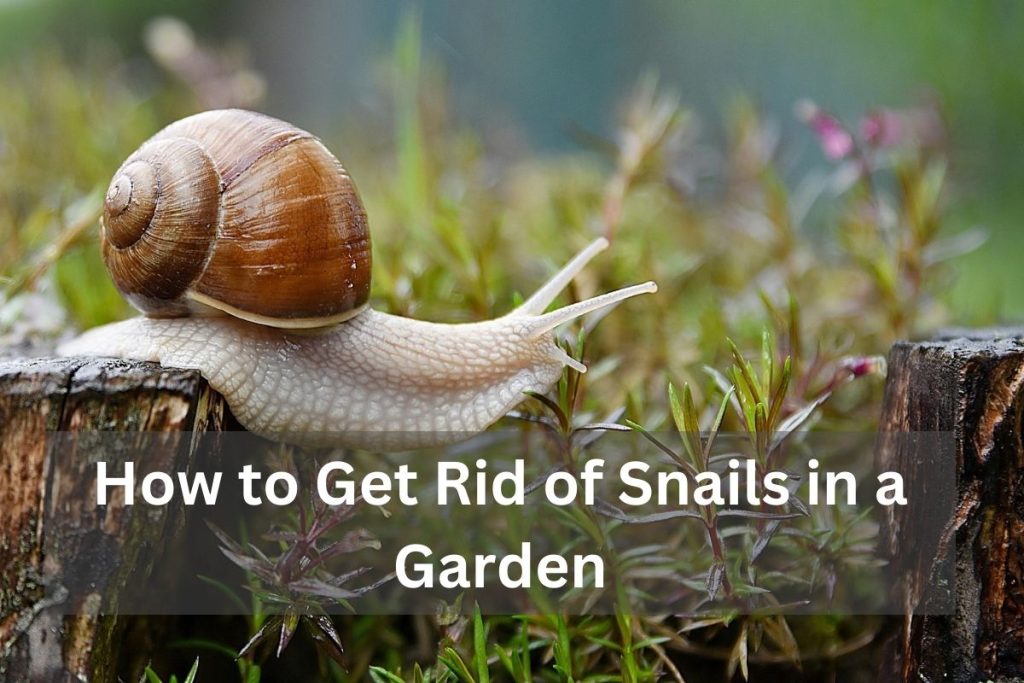
If snails are turning your lush garden into their personal buffet, you’re not alone. These slow-moving mollusks may seem harmless, but their appetite can quickly leave your plants riddled with holes. They target tender leaves, ripening vegetables, and even delicate flowers, leaving gardeners frustrated and looking for solutions. Fortunately, there are several natural, eco-friendly ways to keep snails at bay without disrupting the balance of your garden’s ecosystem.
1. Create Natural Barriers
Snails avoid rough or uncomfortable surfaces, so setting up physical barriers can effectively protect your plants.
- Crushed Eggshells: Sprinkle crushed eggshells around the base of your plants. The sharp edges are unpleasant for snails to crawl over, and as a bonus, they add calcium to your soil.
- Copper Strips: A proven deterrent, copper reacts with a snail’s slime to create a mild electric charge, keeping them away. Place copper strips around pots, garden beds, or individual plants.
- Sand or Gravel: Spread coarse materials like sand or gravel around your garden to make the terrain less appealing to snails.
2. Attract Natural Predators
A healthy ecosystem includes predators that keep snail populations in check. Encourage these garden allies:
- Toads and Frogs: These creatures feast on snails. Create a small pond or provide a shady, damp area to make them feel at home.
- Birds: Attract birds to your garden by installing birdhouses or feeders. Many birds, including blackbirds and thrushes, enjoy snails as a tasty snack.
- Beneficial Insects: Ground beetles and other predatory insects can naturally reduce snail numbers.
3. Use Simple Traps
Homemade traps are an easy and effective way to manage snails without harming them.
- Beer Traps: Fill shallow bowls with beer and bury them so the rim is level with the ground. The yeast in the beer attracts snails, which will crawl in and become trapped.
- Fruit Rinds: Leave grapefruit or orange halves hollow-side down in your garden overnight. Snails will gather underneath, making them easy to collect and relocate in the morning.
4. Pick Them Off by Hand
Handpicking may not sound glamorous, but it’s highly effective, especially in smaller gardens. Snails are most active at night or during the early morning when it’s damp. Use a flashlight and gloves to find and remove them. Relocate the snails to a natural area where they won’t damage your plants but can still contribute to the ecosystem.
5. Keep Your Garden Tidy
Snails love hiding in damp, shady spots. By maintaining a clean and organized garden, you make it less inviting for them:
- Regularly remove weeds, fallen leaves, and other plant debris.
- Avoid overwatering and water plants in the morning to let the soil dry out during the day.
- Space out plants to improve air circulation and sunlight exposure, reducing the dampness that snails love.
6. Protect Vulnerable Plants
If you have plants that are particularly attractive to snails, like hostas or leafy greens, consider extra protective measures:
- Cover them with cloches or fine netting.
- Place pots on raised surfaces or hanging brackets to keep snails from reaching them.
The Importance of Balance
While snails can be a nuisance, they play an important role in your garden’s ecosystem. They help break down decaying plant matter and serve as a food source for wildlife like birds, toads, and beetles. Instead of aiming to eliminate them entirely, focus on managing their population and keeping them away from your most vulnerable plants.
By using these natural and sustainable methods, you can protect your garden from snail damage while supporting a thriving, balanced environment. With a little effort and patience, you’ll be able to enjoy a flourishing, snail-resistant garden.
