Easy Vegetables to Grow in Raised Beds
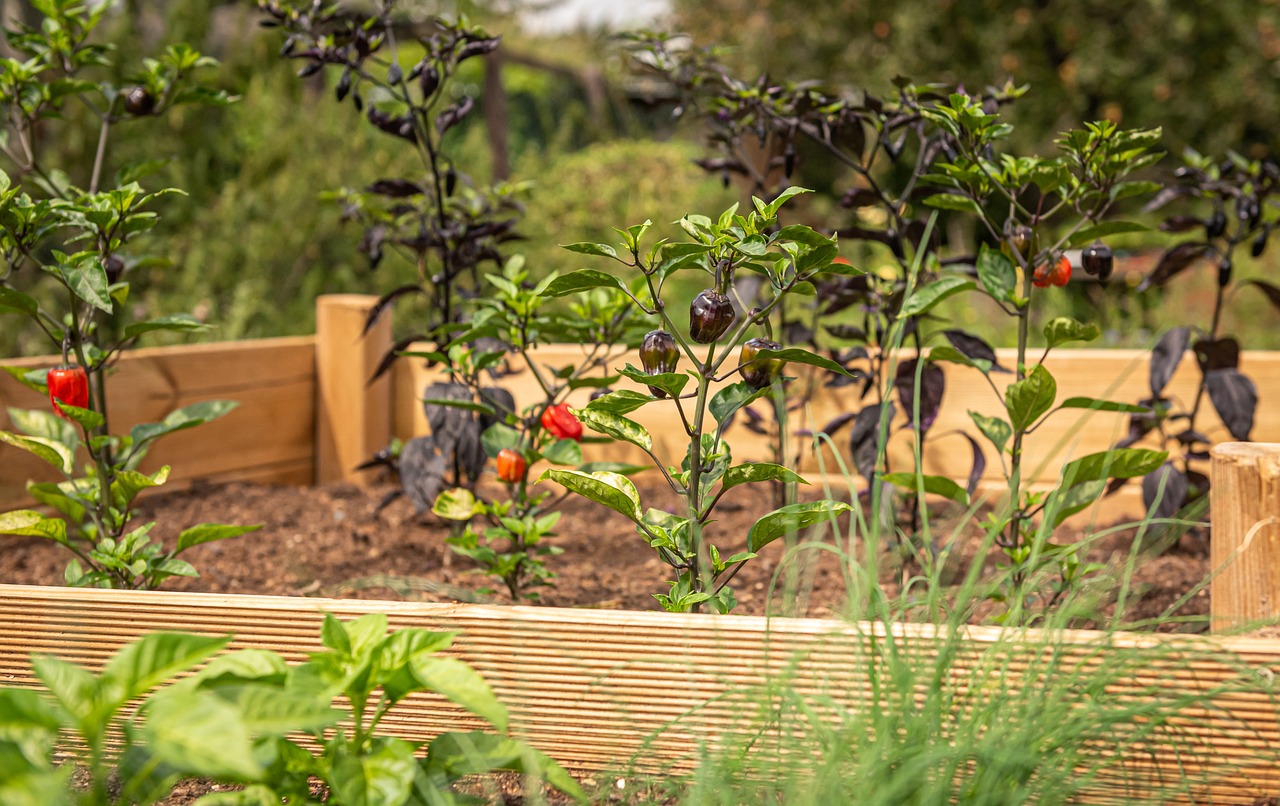
Raised beds are a fantastic way to start growing your own vegetables. They offer numerous benefits, such as better drainage, improved soil quality, and less strain on your back while gardening. If you’re new to raised bed gardening or simply looking for vegetables that thrive in this setup, you’re in the right place. Here’s a guide to some of the easiest and most rewarding vegetables to grow in raised beds.
1. Lettuce and Other Leafy Greens
Lettuce, spinach, arugula, and other leafy greens are among the easiest vegetables to grow in raised beds. These plants don’t require deep soil and can be grown close together, maximizing space. Leafy greens also grow quickly—sometimes in as little as 30 days—and they do well in cooler temperatures, making them perfect for spring and fall gardening.
Tips for Growing:
- Choose a variety that suits your climate (e.g., butterhead or romaine lettuce).
- Keep the soil consistently moist, as these greens prefer a cool, damp environment.
- Harvest outer leaves regularly to encourage new growth.
2. Radishes
Radishes are one of the fastest-growing vegetables, often ready to harvest in as little as 3-4 weeks. Their compact size makes them perfect for raised beds, where space can sometimes be limited. Radishes thrive in cooler weather and can be planted early in the spring or late in the summer for a fall harvest.
Tips for Growing:
- Plant radishes in well-drained, fertile soil.
- Thin seedlings to avoid overcrowding and allow room for bulbs to grow.
- Keep the soil evenly moist to prevent radishes from becoming too tough.
3. Carrots
Carrots are a classic vegetable that grows beautifully in raised beds. The loose soil of raised beds provides an ideal environment for the long taproots of carrots to grow straight and deep. Carrots come in many varieties, from the traditional orange to purple and yellow, offering a fun and colorful harvest.
Tips for Growing:
- Ensure your raised bed soil is free of large rocks and debris to prevent carrots from growing crooked.
- Thin seedlings as they grow to avoid crowding and allow roots to expand properly.
- Carrots do best in cool, early spring or late summer planting seasons.
4. Tomatoes
Tomatoes are a favorite for many gardeners, and they thrive in raised beds. The soil in a raised bed tends to warm up quickly in the spring, giving tomatoes a head start. Plus, the added height of the bed helps keep tomatoes off the ground, reducing the risk of pests and disease.
Tips for Growing:
- Use tomato cages or stakes to support the plants as they grow tall.
- Water regularly at the base of the plant, avoiding wetting the foliage.
- Choose determinate (bushy) varieties if space is limited, as they grow more compactly.
5. Zucchini and Summer Squash
Zucchini and other summer squash are low-maintenance vegetables that grow quickly in raised beds. These plants are prolific and will reward you with a large harvest. They love the warm soil and are perfect for gardeners looking for vegetables that are easy to care for but yield generously.
Tips for Growing:
- Provide plenty of space, as these plants tend to spread out.
- Water consistently, but avoid overhead watering to reduce the risk of fungal diseases.
- Harvest regularly to encourage continued fruiting.
6. Beans
Beans are a great addition to any raised bed. Pole beans, in particular, are ideal because they grow vertically, saving space. Beans fix nitrogen in the soil, which can actually improve the health of your raised bed over time. They’re also easy to grow from seeds and offer a high yield.
Tips for Growing:
- Provide trellises or supports for pole beans to climb.
- Beans are relatively low-maintenance but do need regular watering during dry spells.
- Harvest when the pods are full but before they begin to turn yellow for the best flavor.
7. Peas
Peas are another vegetable that grows well in raised beds, especially in the early spring or late fall. Their cool-weather preference makes them ideal for early planting, and their climbing habit helps them save space in your garden. You’ll be rewarded with tender, sweet pods that are great fresh or in a variety of dishes.
Tips for Growing:
- Use a trellis or netting to support the vines as they grow.
- Plant peas early, as they can tolerate frost.
- Keep the soil evenly moist for the best pod development.
8. Beets
Beets are a versatile vegetable that grows well in raised beds. Both the roots and the greens are edible, making them a two-in-one crop for your garden. Beets grow best in loose, well-drained soil, and they don’t require a lot of space, which makes them an excellent choice for smaller raised beds.
Tips for Growing:
- Thin seedlings early to ensure enough space for roots to grow.
- Beets prefer cooler weather, so plant in early spring or late summer.
- Harvest beets when they reach the size of a golf ball for the best flavor and texture.
9. Onions and Garlic
Onions and garlic thrive in raised beds due to the loose, well-draining soil. These plants are relatively low-maintenance, though they do take a bit of time to grow. Garlic, in particular, is an excellent option for planting in the fall, as it requires a winter dormancy period to grow properly.
Tips for Growing:
- For onions, choose varieties suited to your climate (short, intermediate, or long-day onions).
- Space garlic cloves about 4 inches apart and plant in well-drained soil.
- Keep the soil moist but not soggy, especially for garlic, which can rot in overly wet conditions.
Conclusion
Growing vegetables in raised beds is a rewarding and accessible way to start your gardening journey. Whether you’re a beginner or an experienced gardener, these easy-to-grow vegetables can help you enjoy a bountiful harvest with minimal fuss. From leafy greens to root vegetables, there’s something for everyone.