
15 Best Vegetables to Grow in Winter
Winter gardening might sound challenging, but it’s a rewarding way to keep your kitchen stocked with fresh, homegrown produce even during the coldest months. With the right vegetables and a little planning, you can enjoy a bountiful harvest that’s not only delicious but also packed with nutrients. In this guide, we’ll explore 15 vegetables that thrive in winter, along with tips to help you grow them successfully.
Why Grow Vegetables in Winter?
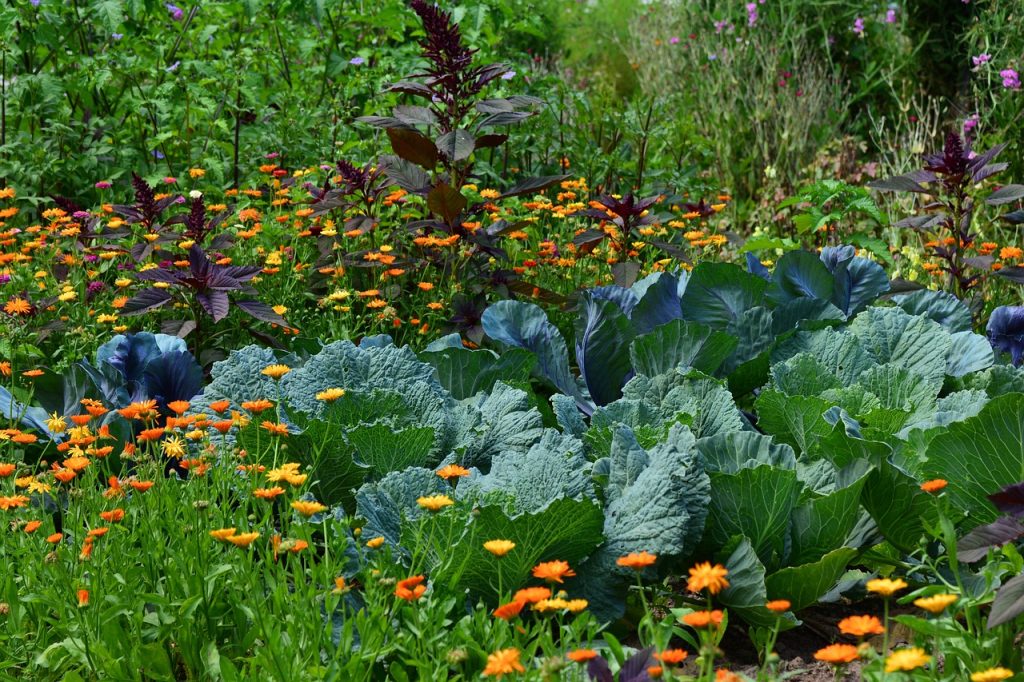
Winter gardening offers unique benefits. Cooler temperatures mean fewer pests and weeds, and many winter vegetables are hardy, requiring less maintenance. Plus, there’s something magical about harvesting crisp greens and sweet root vegetables while frost blankets the ground. Whether you’re growing in a backyard garden, raised beds, or containers, winter gardening is a great way to stay connected to nature and enjoy fresh flavors year-round.
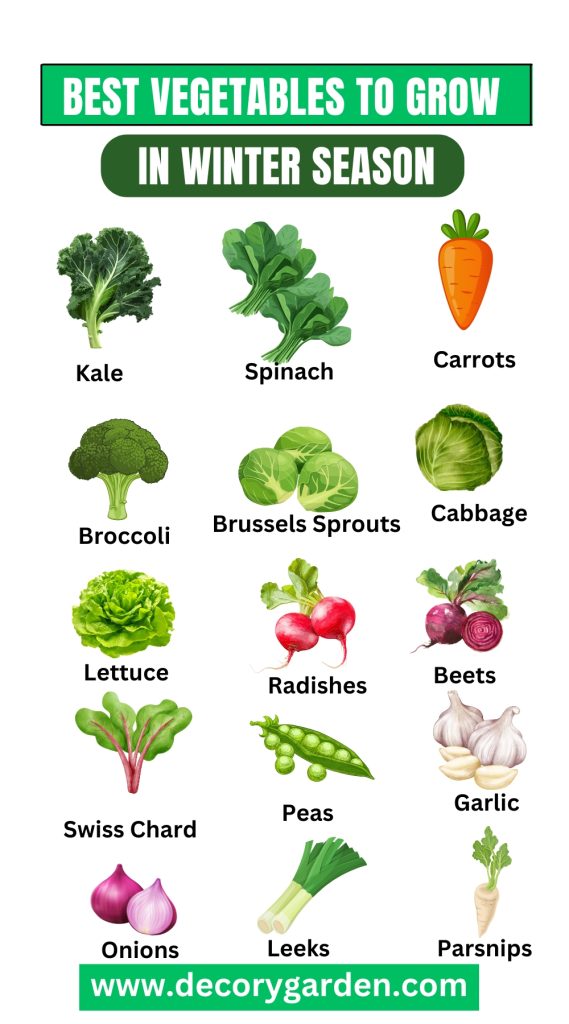
15 Vegetables Perfect for Winter Growing
Kale
Kale is a winter champion, thriving in cold weather and even improving in flavor after a frost. This nutrient-dense green is perfect for salads, soups, or smoothies. Plant it in well-drained soil and watch it flourish.
Spinach
Spinach grows quickly in cool weather and can tolerate light frosts. Its tender leaves are ideal for salads, omelets, or sautéed dishes. Keep the soil moist and provide partial shade if temperatures rise unexpectedly.
Carrots
Winter-grown carrots are sweeter and more flavorful than their summer counterparts. Plant them in loose, sandy soil and ensure they get plenty of sunlight. Harvest them as needed for a fresh, crunchy snack.
Broccoli
Broccoli loves cool weather and can handle light frosts. Plant it in nutrient-rich soil and give it plenty of space to grow. You’ll enjoy fresh florets for months, making it a winter garden staple.
Brussels Sprouts
These mini cabbages thrive in cold weather and actually taste better after a frost. Plant them in well-drained soil and stake them if needed to support their tall growth.
Cabbage
Cabbage is a cold-hardy vegetable that grows well in winter. Choose from green, red, or savoy varieties and use it in coleslaws, stir-fries, or soups. It’s a versatile and reliable winter crop.
Lettuce
Leafy lettuces like romaine, butterhead, and loose-leaf varieties grow well in winter. Plant them in partial shade and keep the soil consistently moist for tender, crisp leaves perfect for salads.
Radishes
Radishes are quick-growing and perfect for winter gardens. They’re ready to harvest in just a few weeks and add a peppery crunch to salads and snacks. Plant them in well-drained soil for best results.
Beets
Beets are hardy and versatile, making them ideal for winter gardening. Both the roots and greens are edible, offering a double harvest. Plant them in loose, fertile soil and enjoy their earthy sweetness.
Swiss Chard
Swiss chard is a colorful and cold-tolerant green that adds beauty and nutrition to your garden. It’s great in soups, sautés, or as a side dish. Plant it in rich soil and watch its vibrant stems brighten up your garden.
Peas
Snow peas and snap peas thrive in cooler temperatures. Plant them in well-drained soil and provide a trellis for support. Enjoy them fresh or cooked for a sweet, crunchy treat.
Garlic
Garlic is typically planted in the fall for a summer harvest, but it’s a winter staple in many gardens. It requires little maintenance and adds incredible flavor to your meals. Plant it in well-drained soil and mulch heavily.
Onions
Onions are cold-hardy and can be grown throughout winter. Plant them in well-drained soil and enjoy them fresh or store them for later use. They’re a kitchen essential and a great addition to your winter garden.
Leeks
Leeks are a milder alternative to onions and grow well in winter. They require deep, fertile soil and can be harvested as needed. Use them in soups, stews, or as a flavorful side dish.
Parsnips
Parsnips are a sweet, earthy root vegetable that tastes best after a frost. Plant them in loose soil and harvest them throughout winter for soups and roasts. They’re a hearty and delicious addition to any winter meal.
Pro Tips for a Successful Winter Garden
- Start Early: Begin planting in late summer or early fall to give your vegetables time to establish before the cold sets in.
- Use Protective Coverings: Row covers, cloches, or cold frames can shield your plants from frost and extend the growing season.
- Mulch Generously: A thick layer of mulch helps retain soil warmth and moisture, protecting roots from freezing temperatures.
- Water Wisely: Water your plants in the morning to prevent freezing at night, and avoid overwatering to prevent root rot.
- Choose the Right Location: Plant your winter garden in a sunny spot with good drainage to ensure healthy growth.
- Rotate Crops: If you’re reusing garden beds, rotate your crops to prevent soil depletion and reduce the risk of disease.
Why Winter Gardening is Worth It
Growing vegetables in winter is a fulfilling way to stay connected to your garden and enjoy fresh, seasonal produce. It’s also an excellent way to save money and reduce your carbon footprint by growing your own food. Plus, the satisfaction of harvesting your own vegetables during the coldest months is unmatched.
Final Thoughts
Winter gardening doesn’t have to be complicated. With these 15 vegetables and a little effort, you can create a thriving garden that provides fresh, nutritious produce all season long. Whether you’re a seasoned gardener or just starting out, winter gardening is a rewarding experience that brings joy, flavor, and a touch of green to the coldest months. So, bundle up, grab your gardening tools, and get ready to grow your way through winter!
FAQs About Growing Vegetables in Winter
1. Can I grow vegetables in winter without a greenhouse?
Yes, many cold-hardy vegetables like kale, spinach, and carrots can grow outdoors in winter. Use mulch, row covers, or cold frames for extra protection.
2. What are the easiest vegetables to grow in winter?
Kale, spinach, and radishes are among the easiest. They grow quickly, tolerate cold weather, and require minimal maintenance.
3. When should I start planting winter vegetables?
Start planting in late summer or early fall to give your vegetables time to establish before the first frost. This ensures a healthy winter harvest.