12 Best Flowers for Bees and Butterflies
If you’re looking to create a garden that buzzes with life and flutters with beauty, adding flowers that attract bees and butterflies is a great place to start. Not only do these pollinators play an essential role in our ecosystem, but they also make our gardens more vibrant and alive. The best part? Many of these plants are easy to grow, low-maintenance, and incredibly rewarding, making them perfect for any gardener, whether you’re just starting or have years of experience.
When it comes to attracting bees and butterflies, native plants are a must. Native plants are adapted to your region’s climate and soil, which means they require less water, fewer chemicals, and are naturally more resistant to pests. Plus, native plants offer the food and shelter that local pollinators rely on. To find the best native plants for your area, a little research goes a long way. Whether you’re looking for vibrant flowers or fragrant shrubs, there’s a native plant to suit every garden.
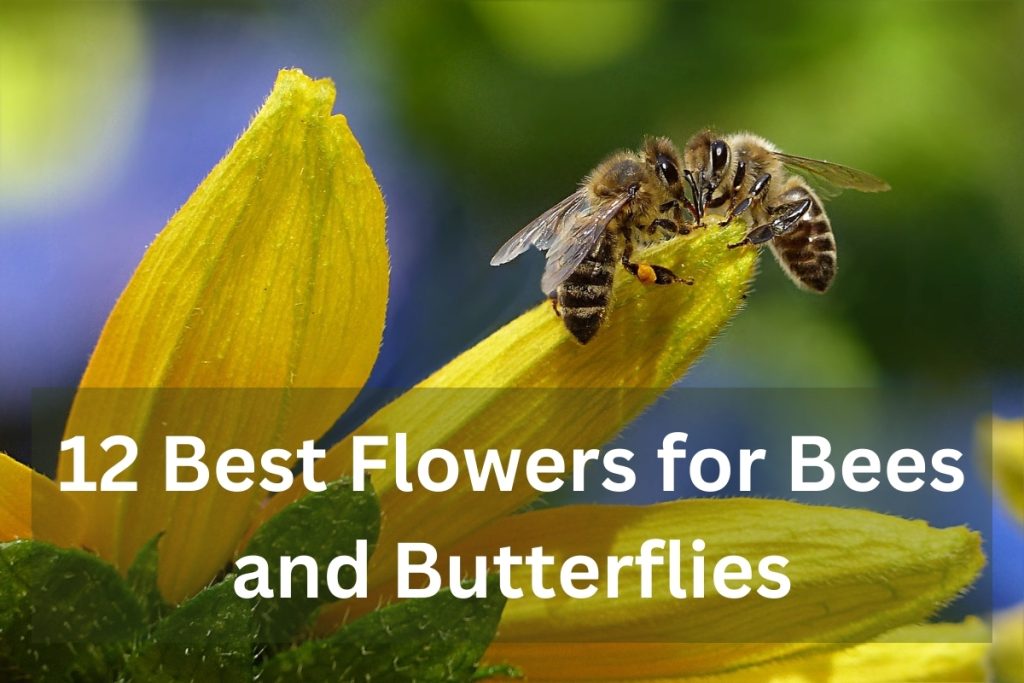
Here’s a list of easy-to-grow, low-maintenance flowers that will not only brighten up your garden but will also attract a ton of beneficial insects like bees and butterflies. By planting these alongside native options, you’ll have a thriving, eco-friendly garden in no time!
1. Coneflower (Echinacea)
Coneflowers are a gardener’s dream! They’re resilient, drought-tolerant, and loved by bees and butterflies alike. With their large, daisy-like blooms in shades of purple, pink, and white, they provide a nectar-rich source of food for pollinators. They’re also great for attracting hummingbirds, which makes them a win-win for any pollinator-friendly garden.
2. Black-eyed Susan (Rudbeckia)
These cheerful yellow flowers are not only beautiful but incredibly easy to grow. Bees and butterflies are drawn to their bright petals, and they’ll thrive in a variety of soil conditions. The best part? They’re low-maintenance and bloom from mid-summer through fall, providing a steady food source for pollinators.
3. Milkweed (Asclepias)
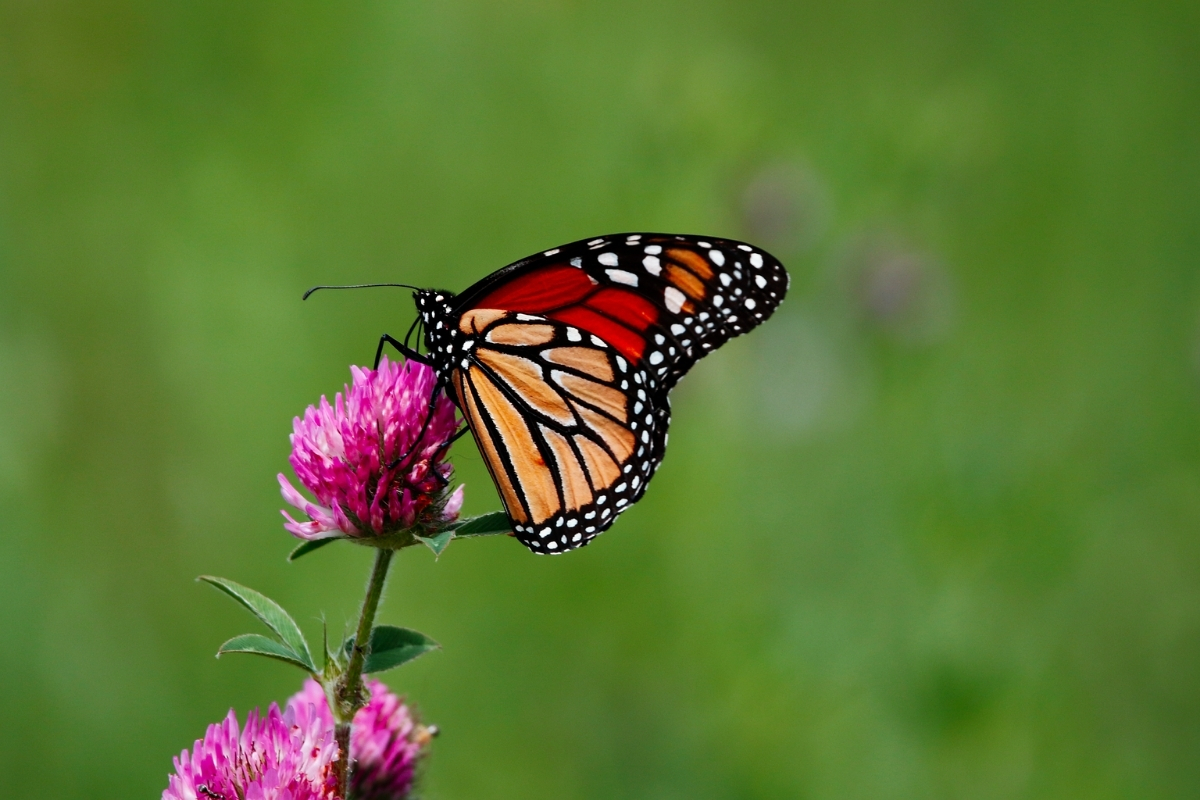
If you’re looking to make your garden a butterfly haven, milkweed is the plant to add. Monarch butterflies are especially attracted to its sweet-smelling blooms, which provide both nectar and a place to lay eggs. Milkweed is also a great habitat for other pollinators, and with its striking clusters of pink, orange, or white flowers, it adds a splash of color to your garden.
4. Lavender (Lavandula)
Not only is lavender known for its lovely fragrance, but it’s also a favorite of both bees and butterflies. Its purple spikes of flowers are filled with nectar, and the scent is heavenly. Lavender thrives in sunny, well-drained areas, and it’s also low-maintenance, making it a great addition to any garden.
5. Zinnias
Zinnias are an easy-to-grow flower that come in an array of bright colors. They’re especially loved by butterflies, who can’t resist the vibrant blooms. Zinnias are also great for filling in gaps in your garden, as they bloom heavily throughout the summer and fall, providing a long-lasting source of nectar.
6. Bee Balm (Monarda)
As the name suggests, bee balm is a fantastic plant for attracting bees. Its vibrant, tubular flowers in shades of red, pink, and purple are perfect for pollinators, and it’s a great plant for adding texture and color to your garden. Bee balm also attracts hummingbirds, making it a great multi-purpose plant for your pollinator garden.
7. Sunflowers (Helianthus)
Sunflowers are not only a cheerful addition to any garden but are also a great magnet for pollinators. Bees especially love their large, seed-filled heads, while butterflies enjoy perching on the sturdy stems. Sunflowers thrive in full sun and will keep blooming for weeks, giving your garden a burst of summer energy.
8. Marigolds (Tagetes)
Marigolds are an easy and cheerful way to attract both bees and butterflies. These bright flowers are low-maintenance and bloom profusely throughout the growing season. While they’re great for adding a pop of color to your garden, they’re also known for their ability to repel some pests, making them a great companion plant for your pollinator-friendly garden.
9. Penstemon
Penstemons, with their tubular flowers in shades of pink, purple, and red, are a favorite of both bees and hummingbirds. These plants thrive in sunny spots and well-drained soil, and they’re known for their long blooming season. The vibrant flowers are a reliable nectar source for pollinators, making them an excellent addition to your pollinator-friendly garden.
10. Calendula
Calendula, also known as pot marigold, is another low-maintenance option that attracts both bees and butterflies. With its bright orange and yellow flowers, it adds a pop of color to your garden while providing a steady nectar supply for pollinators. Calendula is also great for companion planting, as its scent can help deter pests from other plants in your garden.
11. Verbena
Verbena is an incredibly hardy plant that blooms in a variety of colors, including purple, pink, and red. Bees and butterflies love its dense clusters of small flowers, and it’s a great choice for filling in garden borders or hanging baskets. Verbena thrives in full sun and well-drained soil, making it perfect for a low-maintenance garden that’s full of life.
12. Aster
Asters are late-blooming flowers that provide a much-needed nectar source for bees and butterflies as the growing season winds down. Their daisy-like flowers come in shades of purple, pink, and white, and they attract a variety of pollinators, especially in the fall. Asters are perfect for adding color and extending the bloom season in your garden, making them a valuable addition to any pollinator-friendly space.
By adding these 12 fantastic plants to your garden, you’ll be supporting local bees and butterflies while enjoying a beautiful, low-maintenance garden that thrives year-round. Plant a variety of flowers, and you’ll create a welcoming space for pollinators, which in turn will help your garden flourish!