Six Best Herbs That Can Grow in Water
Growing fresh herbs at home is a wonderful way to add flavor to your meals, but not everyone has the space or time for a traditional garden. If you’re short on space or don’t want the hassle of soil, you’ll be happy to know that many herbs can grow easily in water. This method, called hydroponic gardening, allows you to cultivate plants without soil—just water and a little sunlight.
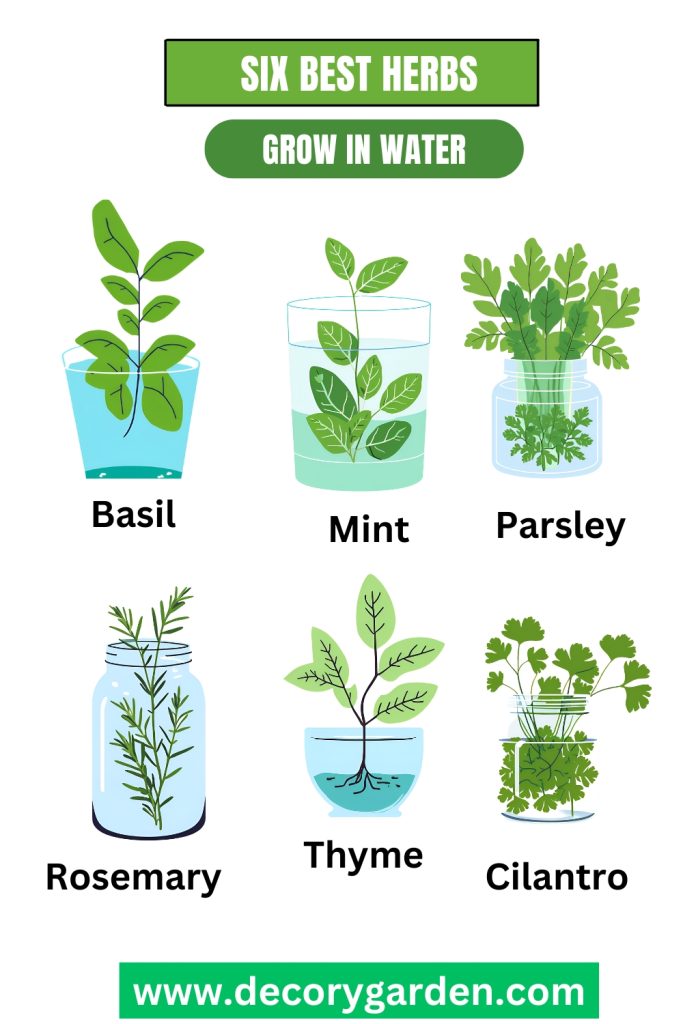
Here’s a look at some of the most popular herbs that thrive in water and how you can grow them at home.
1. Basil: The Perfect Starter Herb
Basil is one of the easiest and most rewarding herbs to grow in water. Known for its vibrant flavor, it’s a great addition to a variety of dishes like pasta, salads, and pizza. To start, take a cutting from a mature basil plant, making sure the stem is about 4–5 inches long. Place the cutting in a glass of water, ensuring the lower 2 inches of the stem are submerged. After a week or so, you should start seeing roots forming. Change the water every 2–3 days to keep it fresh, and soon you’ll have a flourishing basil plant ready for use.
2. Mint: Fresh and Fragrant
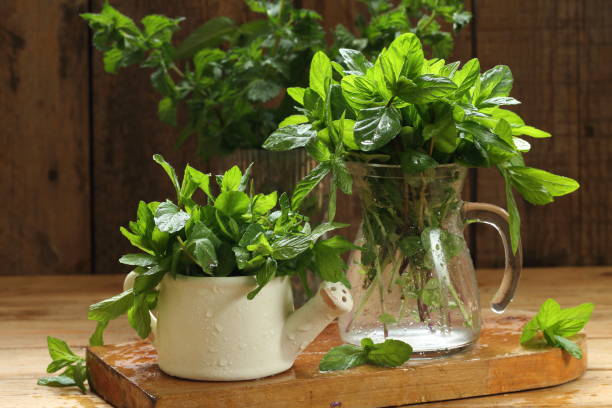
Mint is another herb that thrives in water, and it’s perfect for everything from teas to desserts. Like basil, mint is easy to grow in water. Take a cutting with at least 3–4 inches of stem and place it in a jar of water. Mint roots quickly, so within a couple of weeks, you’ll notice new roots sprouting from the stem. It’s best to keep the water fresh by changing it regularly, as stagnant water can attract mold or bacteria. Once your mint roots are well-established, you can continue to grow it in water or pot it in soil.
3. Rosemary: A Little Patience Pays Off
Rosemary is a fragrant, woody herb used in a wide range of savory dishes. Growing rosemary in water requires a bit more patience compared to basil or mint, but it’s still fairly straightforward. Cut a healthy 4-inch sprig from a mature rosemary plant and strip off the lower leaves. Place the cutting in a jar of water, making sure only the stem is submerged. While it might take a few weeks for the roots to develop, with regular water changes, you’ll soon see your rosemary starting to grow. Once the roots are about 2–3 inches long, it’s ready for transfer to a larger container or soil if you prefer.
4. Thyme: Compact and Easy to Grow
Thyme is another herb that grows well in water. It’s a small, compact plant that’s perfect for adding a subtle, earthy flavor to your meals. To grow thyme in water, simply snip a 3-inch cutting and place it in a jar of water. Be sure to keep the jar in a sunny location, and after a few weeks, you’ll see roots begin to form. Thyme is relatively low-maintenance, but like all water-grown plants, regular water changes will keep it thriving.
5. Parsley: A Versatile Herb in Your Kitchen
Parsley is often used as a garnish, but it’s also an essential herb in many dishes. Growing parsley in water is easy. Simply take a cutting, place it in a jar, and ensure the stem is submerged while the leaves remain above the water. Change the water every few days, and within a couple of weeks, you’ll notice roots developing. Once the roots are strong, your parsley plant will be ready to harvest and use in your cooking.
6. Cilantro (Coriander): Flavorful and Easy to Grow
Cilantro is a popular herb in many cuisines, from Mexican to Indian. Growing cilantro in water follows the same method as the other herbs. Cut a sprig from an existing plant and place it in a jar of water. Within a week or two, you’ll start to see roots forming. Cilantro grows quickly, so you can harvest leaves regularly to use in your dishes. Like parsley, it thrives in fresh water, so be sure to change it often.
Key Tips for Growing Herbs in Water:
- Light Requirements: Most herbs need bright, indirect light. Place your water-grown herbs near a window where they can get plenty of natural light but avoid direct sunlight, which may heat up the water too much.
- Water Care: Change the water regularly—every 3–4 days is ideal—to ensure the plant roots remain healthy and free of bacteria. This will prevent any unpleasant smells and encourage faster growth.
- Nutrient Boost: After a few weeks, your plants might benefit from a nutrient boost. Hydroponic liquid fertilizers are available to add essential nutrients to the water, helping your herbs grow stronger and faster.
- Water Level: Always ensure the water level is high enough to cover the roots but not the leaves. This prevents the leaves from becoming waterlogged or moldy.
Conclusion: Enjoy Fresh, Homegrown Herbs All Year Round
Hydroponic gardening is a simple and efficient way to grow your favorite herbs without the mess of soil. Whether it’s basil, mint, rosemary, thyme, parsley, or cilantro, these herbs can flourish in water with minimal effort. Plus, growing herbs in water saves space and is perfect for apartment dwellers or anyone without a garden. By following these simple tips and ensuring your plants receive enough light and fresh water, you’ll be enjoying fresh herbs from your own kitchen in no time.