
How to Grow Carrots in Containers
If you’ve ever wanted to grow your own carrots but don’t have a garden, you’re in luck! Growing carrots in containers is simple, and with the right approach, you can enjoy fresh, crunchy carrots right from your balcony or patio.
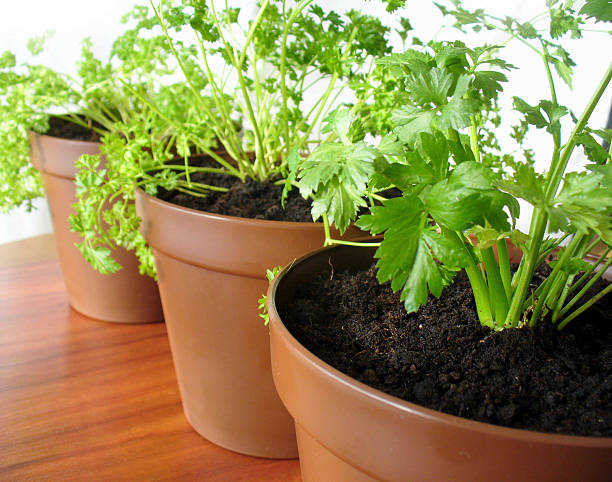
Here’s everything you need to know to grow carrots in containers.
1. Pick the Right Container
Start with a container that’s at least 12 inches deep. Carrots have long roots that need space to grow, so a deeper pot will give them plenty of room. A wide, shallow container also works well, as long as it provides enough depth for root growth. Make sure your container has good drainage holes at the bottom to avoid waterlogged soil.
2. Select the Best Potting Mix
Carrots need loose, well-draining soil to thrive. A general-purpose potting mix works well, but you can also use a mix designed for vegetables. The soil should be light and airy, allowing the carrot roots to grow easily without getting compacted. Avoid heavy garden soil, as it can be too dense for carrots to develop properly.
3. Fill the Container with Soil
Fill your container with the potting mix, leaving about an inch of space at the top. This gives you room to water your plants without making a mess. Gently pat the soil down to remove any large air pockets, but don’t compact it too much, as the roots will need to grow freely.
4. Plant Carrot Seeds
Plant your carrot seeds about ¼ inch deep. Space the seeds 1-2 inches apart to give each carrot plenty of room to grow. If you’re planting in a smaller container, you might want to plant fewer seeds to avoid overcrowding. Be sure to spread the seeds evenly across the soil surface for the best results.
5. Water Gently
After planting, water the soil gently to moisten it. Be careful not to wash the seeds away with too much water. Keep the soil moist throughout the growing process, but not soaked. Carrots don’t like to sit in waterlogged soil, so good drainage is key.
6. Find the Best Spot for Sunlight
Carrots need plenty of sunlight to grow strong and healthy—about 6 hours of direct sunlight each day. Place your container in a sunny spot like a windowsill, balcony, or patio. The more sunlight your carrots get, the better they’ll grow.
7. Thin Seedlings
Once your carrot seeds start sprouting, it’s time to thin them out. Thin your seedlings so that there’s 2-3 inches between each plant. This prevents overcrowding, giving the carrots space to grow long and straight. Don’t worry if some seedlings look weak—that’s normal, and thinning them out will help the stronger plants thrive.
8. Water Regularly
Carrots like consistent moisture, but you don’t want to overwater. Water your carrots regularly, especially in warm weather, to keep the soil consistently damp. Avoid letting the soil dry out completely, but also make sure it’s not sitting in water.
9. Fertilize for Healthy Growth
Carrots aren’t heavy feeders, but they do benefit from a little fertilizer. Use a balanced liquid fertilizer every 2-3 weeks to encourage healthy growth. Be careful not to over-fertilize, as too much can lead to excessive leafy growth with fewer carrots.
10. Harvest When Ready
Carrots typically take 60-80 days to mature, depending on the variety. You’ll know they’re ready to harvest when their tops peek through the soil. If you gently pull one up and it’s the right size for your liking, go ahead and harvest the rest! To harvest, carefully pull the carrots out of the soil by their tops, being gentle so you don’t break the roots.
Tips for Success:
- Use smaller, “baby” carrot varieties if your container isn’t too deep or wide.
- If you have a small space, consider growing carrots in a long, rectangular container for more room.
- Check for pests like aphids or carrot flies and take action if you spot any.
Growing carrots in containers is a great way to enjoy fresh veggies at home, even if you don’t have a backyard. By following these simple steps, you’ll be well on your way to harvesting a crop of delicious, homegrown carrots!