How to Prepare Garden for Spring
Spring is just around the corner, and that means it’s time to start thinking about preparing your garden. After months of winter, your garden might be looking a little tired and worn out. But with a bit of effort, you can have it ready for the warmer months ahead.
Here are six easy tips to help you get your garden in shape for spring!
1. Clear Out Weeds
Weeds can quickly take over your garden if you let them. The best time to deal with them is early in the spring, before they have a chance to spread. Weeds compete with your plants for space, sunlight, and nutrients, so removing them will give your plants a better chance to thrive.
Simply pull out any weeds you find in your garden beds, making sure to get the roots so they don’t come back. If you have a lot of weeds, you might want to use a weeding tool to make the job easier. Also, try to get rid of any weeds that have seeded so they don’t grow again later in the season.
2. Give Your Soil a Boost
Healthy soil is the key to a healthy garden. Over the winter, your soil can become compacted or lose important nutrients. So, before planting anything new, it’s a good idea to give your soil some love.
You can do this by adding compost or organic material to the soil. This helps improve the texture, provides nutrients, and promotes healthy root growth. If you’re not sure about the state of your soil, consider getting a simple soil test to see if you need to make any adjustments. The healthier your soil, the better your plants will grow.
3. Prune Old Plants
Winter can be tough on plants, leaving behind dead or damaged branches. Pruning your plants in early spring helps them get rid of the old stuff so they can focus on growing new, healthy shoots.
Take a look at your shrubs, trees, and perennials. Trim away any dead or broken branches, and cut back any overgrown areas. Be careful not to cut too much—just focus on removing what’s no longer healthy. This will help your plants grow strong and encourage new blooms in the coming season.
4. Prepare New Garden Beds
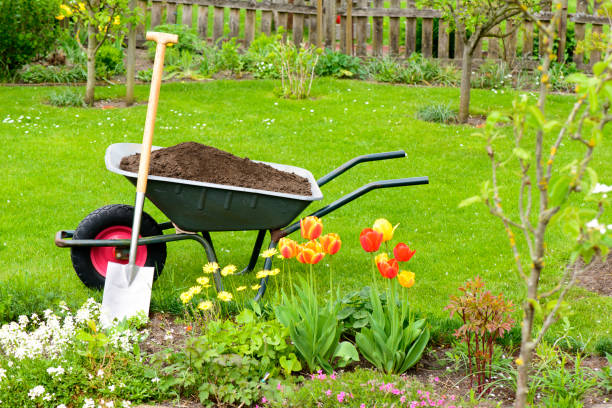
If you’re planning to add new plants or start a new garden bed, spring is a great time to begin preparing. Clear away any grass, weeds, or debris from the area where you want to plant. Once that’s done, you can loosen up the soil to make it easier for plant roots to grow.
Adding fresh compost or soil will also help give your new plants the best start possible. If you’re making a raised bed, make sure to fill it with a good-quality soil mix that’s rich in nutrients. Take your time to plan out where you want to plant, as proper spacing will help everything grow healthy and strong.
5. Feed Your Plants with Fertilizer
Just like us, plants need food to grow strong. Applying fertilizer in the spring gives your plants the nutrients they need to thrive. You can use a slow-release fertilizer, which will gradually feed your plants throughout the growing season.
The type of fertilizer you use depends on what you’re growing. Vegetables often need fertilizers that are rich in nitrogen to encourage leafy growth, while flowers and fruit-bearing plants do better with fertilizers that are high in phosphorus and potassium to promote blooms and fruit. Be sure to follow the directions on the fertilizer package to avoid overfeeding.
6. Add Mulch Around Plants
Mulching is one of the easiest ways to keep your garden healthy. A layer of mulch helps retain moisture in the soil, keeps weeds at bay, and regulates the soil temperature. This is especially important in spring, when the weather can fluctuate from warm to cool.
Spread a 2- to 3-inch layer of mulch around your plants, making sure not to pile it up too high around the stems. Organic mulches like wood chips, straw, or shredded leaves work well because they break down over time and add even more nutrients to the soil. Plus, it gives your garden a neat, finished look.
Wrapping Up
Getting your garden ready for spring doesn’t have to be overwhelming. By following these six simple steps—removing weeds, improving the soil, pruning plants, preparing new beds, applying fertilizer, and adding mulch—you’ll be well on your way to a thriving garden this season.