How to Make a Bird Feeder with Household Items
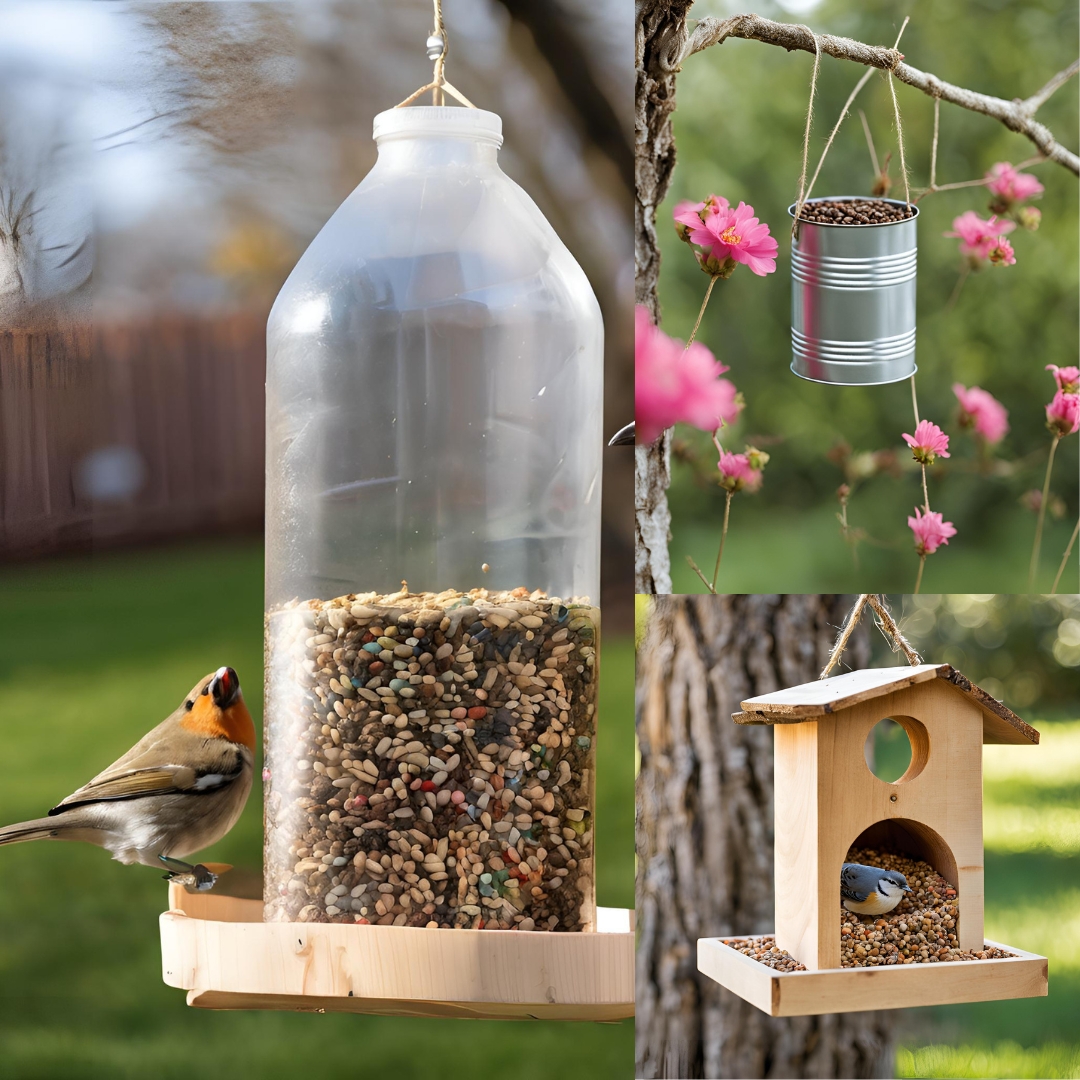
Bringing birds to your garden is such a rewarding experience, and one of the easiest ways to do it is by making your own bird feeders. Not only is it an eco-friendly project, but it also lets you recycle everyday items you might otherwise throw away. Whether you use a plastic bottle, a tin can, or some leftover wood, these DIY bird feeders are simple to make and will attract more wildlife to your garden. Let’s dive into three easy DIY bird feeder ideas your feathered friends will love!
1. Plastic Bottle Bird Feeder
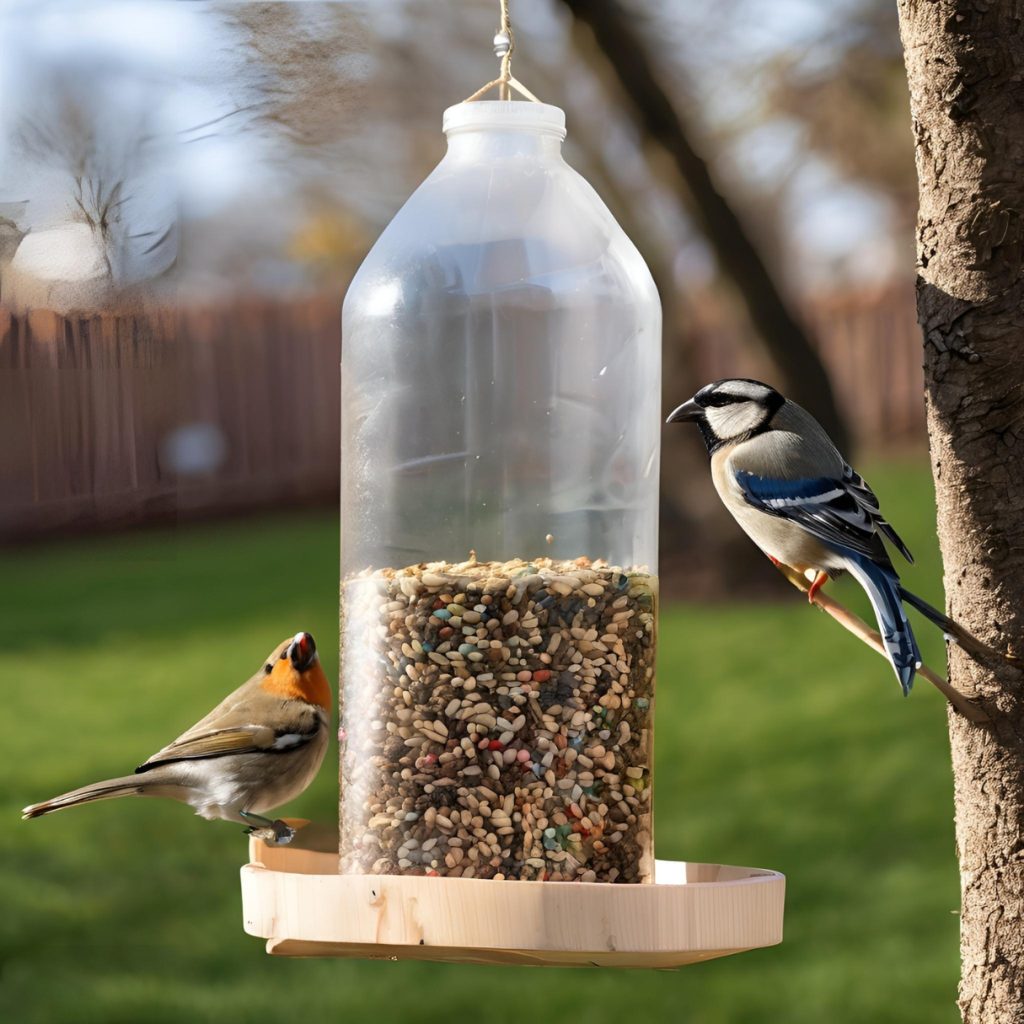
This plastic bottle bird feeder is one of the easiest and most popular DIY projects. It’s a great way to recycle an old bottle and create a functional feeder that works year-round.
What You’ll Need:
- A clean 2-liter plastic bottle
- Two wooden dowels or sticks (to serve as perches)
- Birdseed
- Scissors or a small knife
- String or twine (optional, for hanging)
Steps:
- Prepare the Bottle: Start by cleaning the plastic bottle and letting it dry completely.
- Create Holes for Perches: Use scissors or a small knife to carefully create small holes on opposite sides of the bottle. These holes will hold the wooden dowels.
- Insert the Perches: Push the wooden dowels through the holes. These dowels will act as perches where birds can land and enjoy the seed.
- Fill with Birdseed: Pour birdseed into the bottle, filling it about three-quarters full. As birds peck at the seed, some will fall onto the perches for easy feeding.
- Hang the Feeder: Tie a piece of string around the top of the bottle and hang it from a tree branch or garden hook.
This easy-to-make bird feeder is not only cost-effective, but it also helps you reuse a plastic bottle, giving it a second life in your garden!
2. Tin Can Bird Feeder
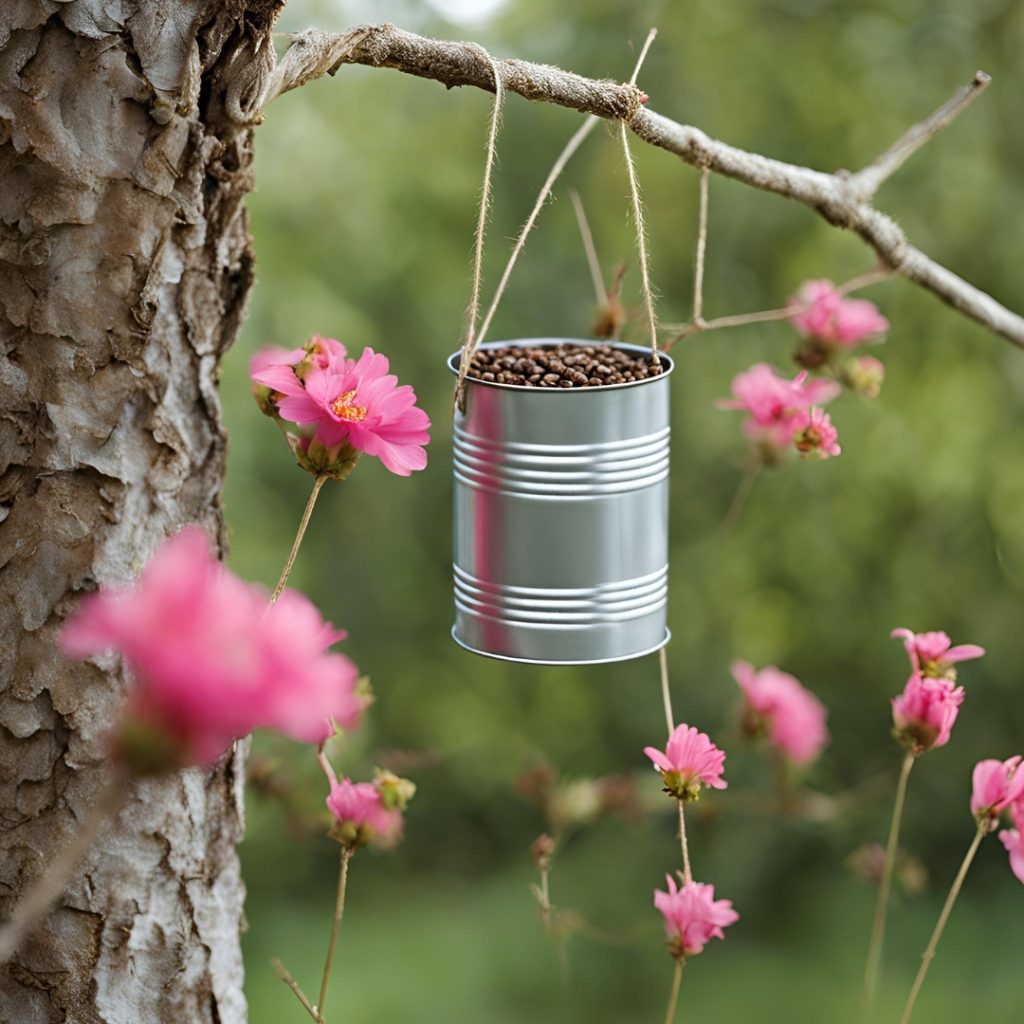
An old tin can makes for a simple, practical bird feeder. Plus, it’s a fantastic way to recycle a can that would normally end up in the trash.
What You’ll Need:
- An empty tin can (with no sharp edges)
- Birdseed
- Twine or string (for hanging)
- A hammer and nail (to create holes for hanging)
Steps:
- Prepare the Tin Can: Wash and dry the tin can. Use a hammer and nail to make two small holes near the top for hanging.
- Fill with Birdseed: Pour birdseed into the can until it’s about three-quarters full. You can also add a bit of suet or lard if you want to make the seeds stick better.
- Create a Hanging Loop: Thread a piece of twine or string through the holes and tie it securely to form a loop.
- Hang and Enjoy: Hang the tin can on a tree branch or post in your garden and wait for the birds to arrive.
This simple and sturdy bird feeder will not only provide a feeding spot for birds but also add a rustic touch to your garden.
3. Wooden Bird Feeder
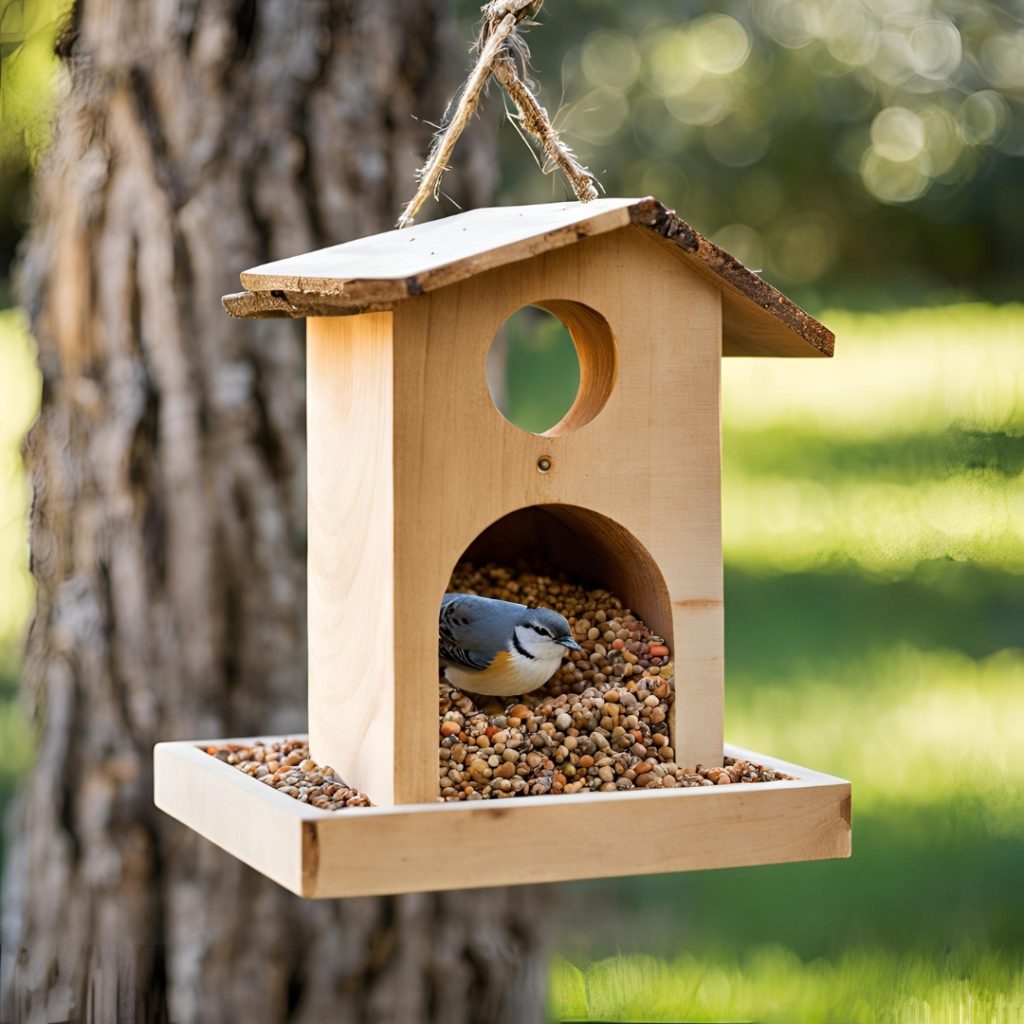
For those looking for a more durable and customizable option, a wooden bird feeder is a great choice. Using scrap wood, you can create a charming, long-lasting feeder.
What You’ll Need:
- A small wooden board or plank
- Birdseed
- Nails or screws (optional)
- Twine or string (for hanging)
- Drill (optional, for making holes)
Steps:
- Prepare the Wood: Cut a small piece of wood into a rectangular or square shape for the base. If you’d like to add a roof, cut two additional pieces of wood and attach them to create a simple overhang.
- Create Holes for Bird Access: Drill or make small holes in the wood to allow the birds to access the seed easily. This also helps the seed stay in place.
- Fill with Birdseed: Spread birdseed across the wooden base.
- Create a Hanging Loop: Drill two small holes at the top of the feeder, thread a piece of twine through, and tie a knot for hanging.
- Hang the Feeder: Place the feeder in a location that’s easily visible to birds, and watch them enjoy the food!
Final Thoughts
Attracting birds to your garden is a fulfilling and enjoyable way to connect with nature. By repurposing household items like plastic bottles, tin cans, and scrap wood, you can easily create functional and charming bird feeders. These DIY projects are not only sustainable but also give birds the nourishment they need to thrive in your garden. So, gather your materials, get creative, and enjoy the beauty of nature right outside your window!