
Why Are My Gardenia’s Leaves Falling Off?
Gardenias are those plants that just take your breath away, aren’t they? Their glossy, deep-green leaves and fragrant, white flowers make them a showstopper in any home. But if you’ve ever had a gardenia, you know it’s not always smooth sailing. One common issue that gets a lot of gardeners worried is seeing their gardenia’s leaves turn yellow and drop off.
If this sounds like your plant right now, don’t panic. It’s just the plant telling you that something’s not quite right. The good news? You can fix it! By giving your gardenia the attention it needs, you can help it get back to looking lush and healthy again.
Let’s dive into why gardenias drop their leaves and how to care for them like a pro.
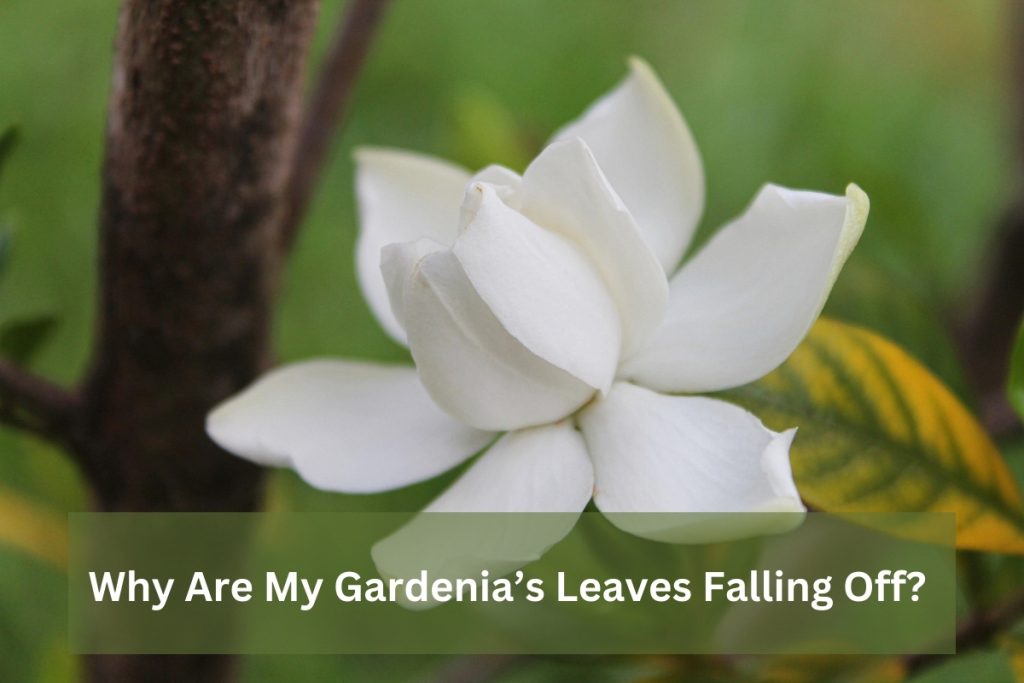
Do Gardenias Lose Leaves?
Gardenias can get stressed pretty easily, and dropping leaves is one way they show it. Here are some reasons why it might be happening:
- Not Enough Light: Gardenias are sun-lovers. Without enough light, their leaves can turn yellow and fall off.
- Dry Air: They thrive in humid environments, so if the air is too dry, especially in the winter, they may drop their leaves.
- Watering Issues: Whether you’re overwatering or underwatering, both can stress your gardenia and lead to leaf loss.
- Temperature Changes: Gardenias don’t like drastic temperature shifts. Too hot or too cold, and they’ll start shedding leaves.
- Nutrient Imbalance: Gardenias need a little help with feeding, and without the right nutrients, they can struggle.
- Pests: Mealybugs, spider mites, and scale insects can all make your gardenia unhappy and lead to leaf drop.
Now that you know why gardenias lose their leaves, let’s talk about how to fix it.
How to Keep Your Gardenia Happy and Healthy Indoors
Caring for a gardenia indoors doesn’t have to be hard. Once you understand what it needs, you’ll find that it’s pretty easy to keep it happy. Here’s how:
1. Give It Plenty of Light
Gardenias need a lot of light—ideally 4-6 hours of bright, direct sunlight every day. A south-facing window is the best place for your plant to soak up all that sunshine.
If you’re dealing with shorter days in the winter, you might need to give your gardenia a little extra help. A grow light can make a big difference during those gloomy months when the sun just isn’t enough.
2. Keep the Temperature Cool and Consistent
Gardenias love cool temperatures—think 55°F (13°C) at night and 65°F (18°C) during the day. They don’t like temperature swings, so try to avoid putting them near heating vents or drafty windows.
Sudden temperature changes can stress your plant, causing it to drop leaves or stop blooming. Keeping things steady is the key to happy gardenias.
3. Increase the Humidity
If you live in a dry climate or run the heat during winter, the air in your home can get pretty dry—especially for a gardenia. They love humidity!
To keep your gardenia happy, try one of these tricks:
- Use a humidifier: This is the easiest way to keep the air moist around your plant.
- Create a pebble tray: Place a tray filled with water and pebbles under the pot. Just make sure the pot isn’t sitting directly in the water.
- Group plants together: This naturally increases the humidity in that area.
Misting is a quick fix, but it doesn’t really help long-term. Focus on the bigger changes to keep your gardenia comfortable.
4. Water Properly (But Don’t Overdo It)
Gardenias like their soil to stay moist but not soggy. Here’s how you can strike the right balance:
- Check the soil: Stick your finger about an inch into the soil. If it feels dry, it’s time to water.
- Water thoroughly: When you water, make sure it soaks through the drainage holes at the bottom of the pot.
- Use the right water: If your tap water is hard or has a lot of minerals, switch to distilled or rainwater. Gardenias are sensitive to salts.
Avoid letting the soil dry out completely or keeping it too wet, as both can lead to leaf drop.
5. Feed It the Right Way
Gardenias are picky eaters, so make sure you’re giving them the right food. Use a fertilizer formulated for acid-loving plants, like those made for azaleas or rhododendrons.
Feed your gardenia every 4-6 weeks during the growing season (spring and summer), but don’t go overboard. Too much fertilizer can actually hurt your plant.
6. Keep an Eye Out for Pests
Gardenias are susceptible to pests like mealybugs, spider mites, and scale insects. These little guys can weaken your plant and cause it to lose leaves.
If you notice any pests, here’s what you can do:
- Check regularly: Look under the leaves and along stems for signs of pests.
- Wipe them off: Use a damp cloth to gently remove them.
- Use neem oil or insecticidal soap: These natural remedies work great if you have a bigger pest problem.
Taking care of pests early will save your gardenia a lot of stress.
7. Prune for Healthier Growth
Pruning might seem intimidating, but it’s an important part of keeping your gardenia healthy. After it’s finished blooming, trim off any leggy or damaged branches. This will help the plant focus on producing fresh, strong growth.
The Rewards of Gardenia Care
Yes, gardenias need a little extra love and attention, but the payoff is so worth it. There’s nothing like those beautiful white blooms and the sweet fragrance they bring to your home. When you get it right, caring for a gardenia can be a very satisfying experience.
If your gardenia is losing leaves, don’t give up! It just needs a little more of the right care. With a bit of patience and attention, your plant will soon reward you with stunning flowers and healthy leaves once again.
FAQs
Do gardenias lose their leaves in winter?
Yes, gardenias can lose their leaves in winter, especially due to lower light and dry indoor air. They also don’t like sudden temperature changes, which can stress them out. To help, make sure they get enough light, humidity, and consistent temperatures.
How do you protect gardenias in the winter?
To protect gardenias in the winter, place them where they’ll get plenty of bright light and away from cold drafts or heating vents. Keep the air humid with a humidifier or a pebble tray, and be mindful not to overwater. If sunlight is scarce, a grow light can help your plant thrive.
